Life stage & health
Menopause & perimenopause
Strength, impact and calm: exercise that supports you through the change.
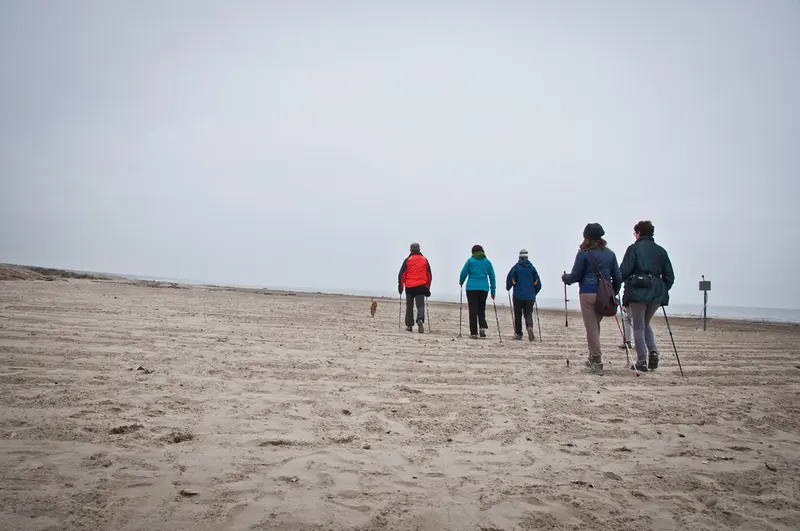
The NHS lists regular exercise among the things you can do to help menopause and perimenopause symptoms — with a focus on weight-bearing exercise to build strength, which can help protect against weakening bones.
What the NHS suggests
- Exercise regularly, focusing on weight-bearing exercises to build strength.
- For bones: strength exercises where your feet and legs support your weight (like walking, running or dancing) and resistance exercises (for example, using weights).
- For mood changes and hot flushes: exercise regularly is on the NHS list too.
- Relaxing activities such as yoga, tai chi or meditation.
- Plenty of rest and regular sleep routines.
Why strength matters now
The UK Chief Medical Officers note a natural decline in muscle mass and bone density from around 50 years of age, and that strengthening activities help to delay it. The Royal Osteoporosis Society says the best way to help your bone strength is to do both impact and strength exercises, and that balance exercises help you stay steady.
A balanced week
- Two or more strength sessions (our dumbbell, band or bodyweight workouts).
- Weight-bearing cardio: brisk walking, dancing, step workouts, or running if you enjoy it.
- Something calming: yoga, pilates or a mobility session.
Read more in our guide to the UK guidelines and recovery & sleep basics.
Watch: from official sources
Menopause & perimenopause workouts
Sources
- NHS: Things you can do to help menopause and perimenopause symptoms — checked 3 Oct 2026
- Royal Osteoporosis Society: Exercise for bones — checked 3 Oct 2026
- UK Chief Medical Officers' physical activity guidelines (GOV.UK, updated July 2026) — checked 3 Oct 2026